
Chronology of Silk Production
Owners of Silk-reeling Equipment
Traditional silk reeling is documented in Lefke in the first half of the eighteenth century.
Lefke Silk in the Market
Raw silk from Lefke and its surroundings formed part of an economy connected with Bursa-centred production and European demand.
Three Silk Factories
The Hüdavendigâr provincial yearbook records three silk factories and 152 wheels in Lefke.
A. Surlas, Dimitros, Abacıoğlu
The 1906 list associates Lefke’s three factories with these names. A. Surlas’s silk businesses elsewhere suggest a regional investor.
From Home to Factory
Domestic Sericulture
The use of upper storeys in traditional Osmaneli houses for cocoon production shows silk’s integration with everyday life and architecture.
Sokratis Çavuşoğlu
Mendel’s 1900 record places the Roman stele of Eubolos in Sokratis Çavuşoğlu’s house. No direct document yet establishes that Sokratis owned a silk factory.
Memory of the Factory Chimney
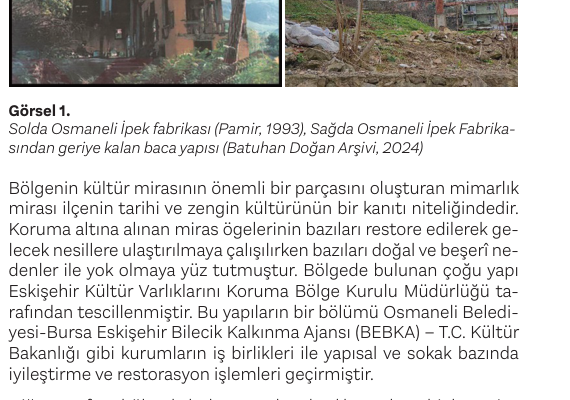
An Osmaneli silk factory is reported to have operated until 1965; the building was demolished in 1994, leaving its chimney. Its identification with one of the three businesses of 1906 remains unsettled.
The Silk Industry inside Houses
Silkworm Room
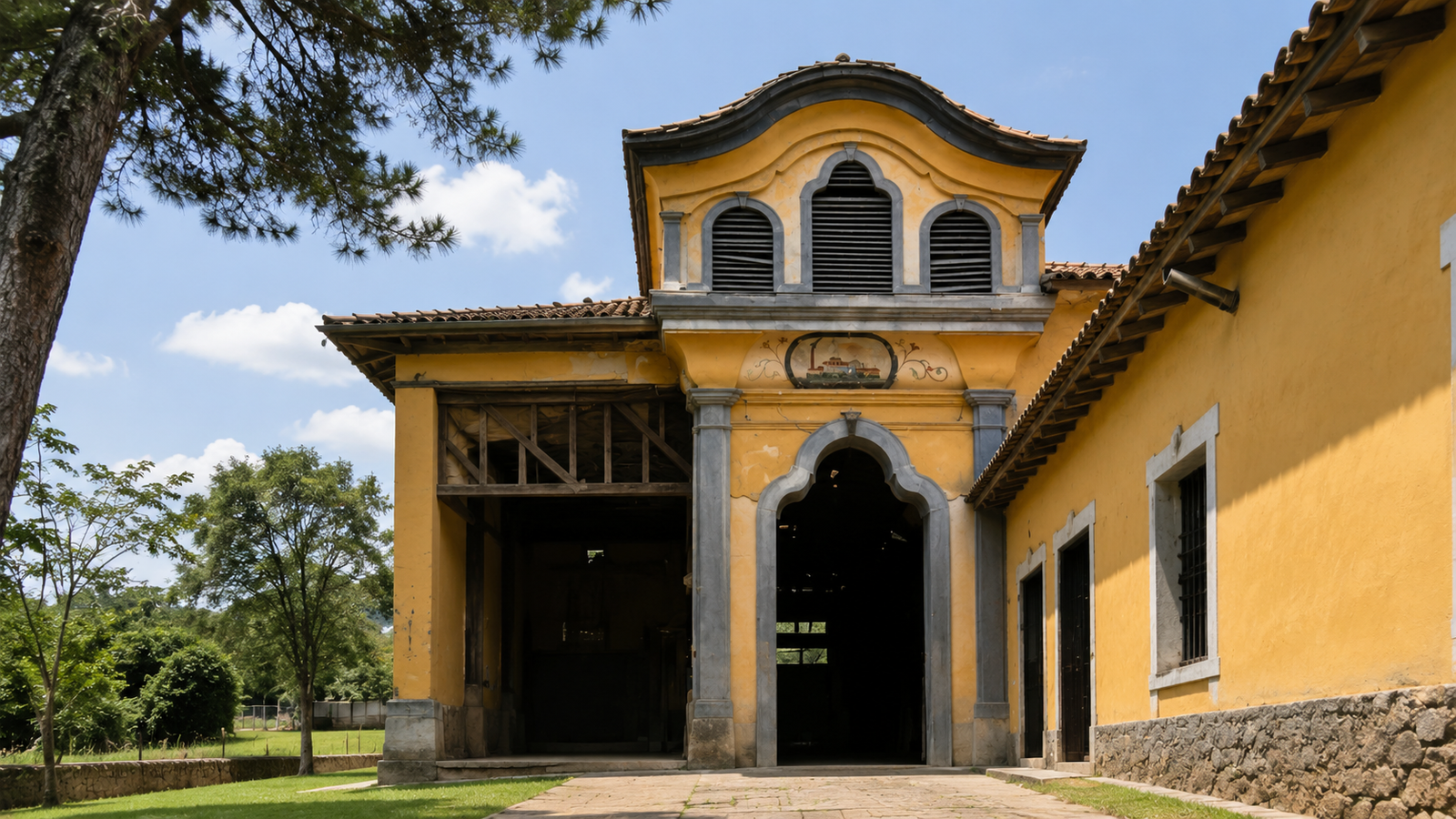
Attics or spacious upper halls could be reserved for raising silkworms. Exposed roof trusses and an open volume were important in these spaces.
Mulberry-leaf Storage
Basements, stone-floored entrance areas and garden outbuildings stored mulberry leaves, the silkworms’ main food, and production equipment.
Shutters and Climate
Wooden shutters helped control light, temperature and humidity in production spaces. Economic activity shaped the house’s façade and plan.
The Factory’s Physical Legacy
The silk factory is a material trace of the transition from household sericulture to more organised industrial production in Lefke.
Contribute to the Research
If you have photographs, documents, gravestone records or family accounts relating to Lefke, please share them with us.
✉ Contact Form