
Ottoman Lefke
A Town of Several Religious Communities
In the nineteenth century, Muslim and Greek Orthodox neighbourhoods occupied the same town. Kilise and Mengene were the principal Greek Orthodox residential concentrations.
The Great Fire of 1875
The fire of 11 July 1875 destroyed much of Lefke and helped reshape its later urban fabric. Secondary accounts differ on the number of shops, so figures require caution.
The Railway in 1892
Railway workers’ discovery of an ancient inscription between Osmaneli and Selçik on 29 April 1892 directly shows that construction of the line and Sakarya bridge was ongoing then.
Traces of the Devşirme and Janissaries
A study of novice/Janissary pay records in 1549 notes the promotion of a novice from Lefke to the Janissaries, appearing as “Lefke (1)” in an aggregate table.
The devşirme study for Kocaeli sanjak covers İzmit, Karacabey, İznik, Lefke, Akhisar and Yalova, recording 90 boys in total. As it does not list individuals from Lefke separately, their number remains unresolved.
Rüstem Pasha Mosque
Great Mosque (Ulu Cami)
This important sixteenth-century Ottoman building is discussed separately through its Lefke stone, woodwork, calligraphic bands and historical archival photographs.
Historical Image Archive
Black-and-white photographs in the Ali Saim Ülgen Archive document the entrance portico, minaret, timber ceiling and window details.
Administration, Military Organisation and Law in Ottoman Lefke
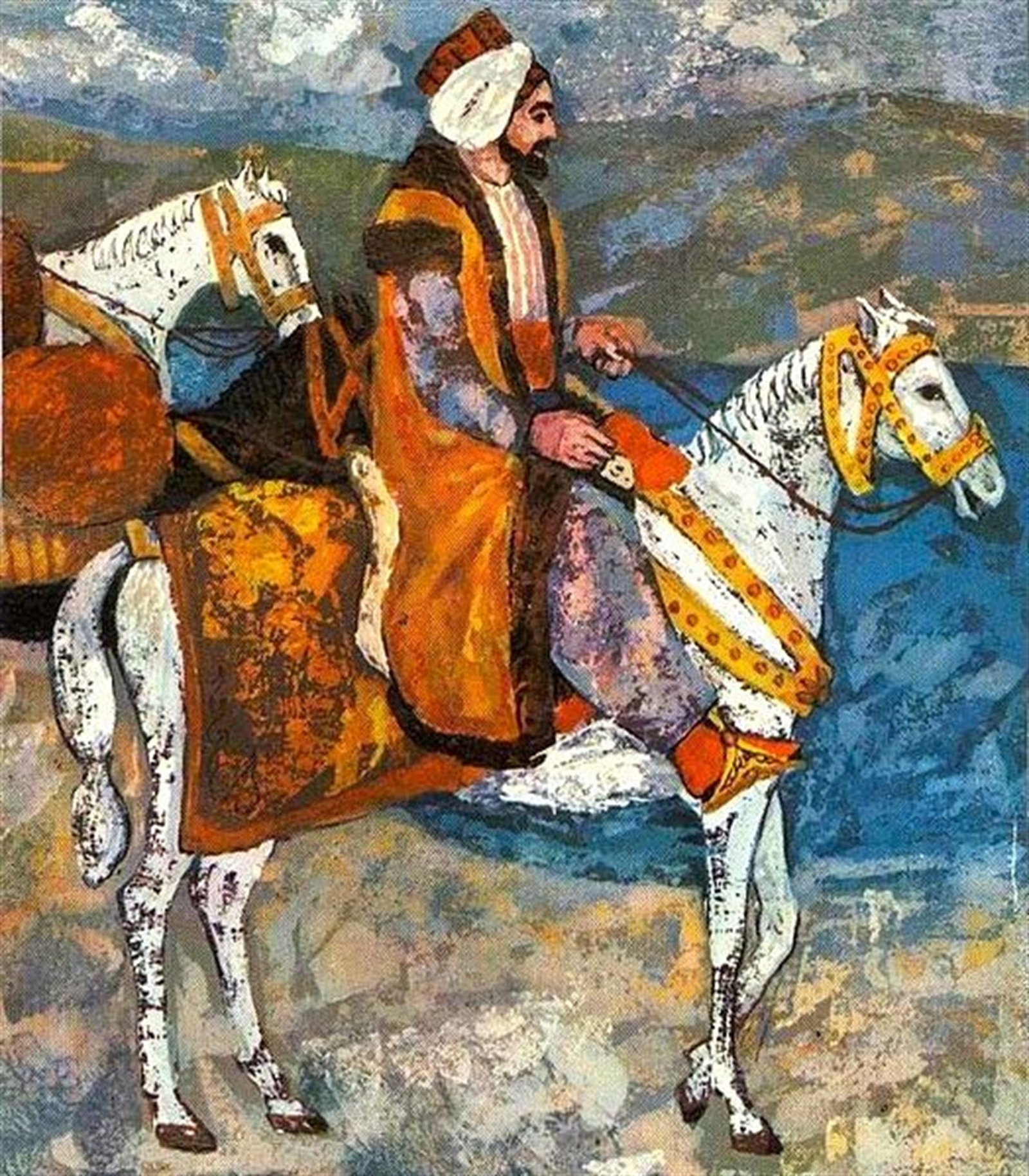
Evliya Çelebi’s Description of Lefke
Evliya Çelebi’s Seyahatnâme [Book of Travels]describes Lefke’s judge, Janissary commander, cavalry representative, inns, market and roads together.
Evliya Çelebi: representative image, not securely a contemporary portrait. Source: Wikimedia Commons, public domain.
Judge and District Centre
Evliya Çelebi describes Lefke as a district with a judicial rank of 150 akçe, approximately 70 villages and a judge. This shows its role as a legal and administrative centre for surrounding villages as well as a settlement on a trade route.
Janissary Commander
The Seyahatnâme explicitly states that Lefke had a Janissary commander , who was the local superior responsible for discipline among Janissaries in the district.
Sipah Kethüdayeri
Evliya Çelebi uses the term “sipah kethüdayeri”for a military-administrative official responsible for local representation and organisation of imperial household cavalry units in the provinces.
Court and Oversight
An archival record reports that Janissary Kara Mustafa unjustly beat Mehmed and assaulted an officer sent for the hearing. Lefke’s judge Osman asked the central authorities to punish him. This demonstrates local judicial involvement in proceedings concerning the military class.
Archive reference: BOA/BA, İE.DH., no. 28/2488. This is a verifiable individual example, rather than evidence for a claim of “numerous disputes.”
Why Does It Matter?
Taken together, the judge, Janissary commander, cavalry representative, inns, market and large Sakarya bridge show seventeenth-century Lefke as a small but functional district centre where law, military administration, trade and transport intersected.
Statesmen from Lefke
Officials Born in Lefke
Sicill-i Ahvâl records identify five Lefke-born Ottoman officials: Abdulvehhab Efendi, Mehmed Arif Efendi, Mehmed Rasim Efendi, Mustafa Efendi and Yuvan Efendi of the Greek Orthodox community.
Grand Vizier and Historical Figures
Explore Lefkeli Mustafa Pasha, early Ottoman figures Samsa Çavuş and Köse Mihal, Molla İsa and the Lefke endowments, and divan poet Kerîmî on the separate research page.
Cebecioğlu Mansion: Administration, Home and Silk
A Mansion Connected with Local Administration
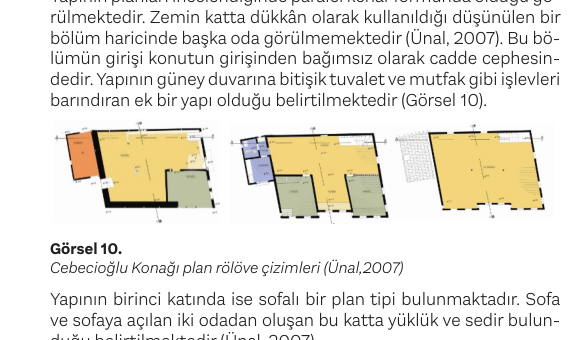
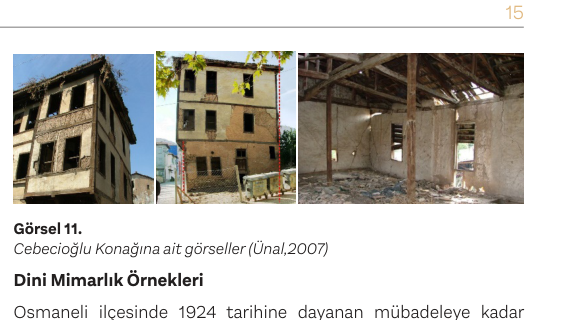
The 2024 architectural study links Cebecioğlu Mansion on Sakarya Street to Cebecioğlu, described as an administrator of Osmaneli, and his sons. The building no longer survives.
An Administrator’s Mansion with Silkworm Rooms
The top floor of the three-storey building was an undivided silkworm room, showing sericulture’s spatial presence even in a local administrator’s residence.
Some source maps, charts and plans retain Turkish labels; the captions are in English. Label key: harita = map; köy = village; merkez = town centre; yol = road; nehir = river; nüfus = population; göç = migration; yıl = year; kadın = female; erkek = male; eski = historical; güncel = present-day; compass K/D/G/B = N/E/S/W.
Modernising Lefke: Administration, Communication and a New Name
Subdistrict Council
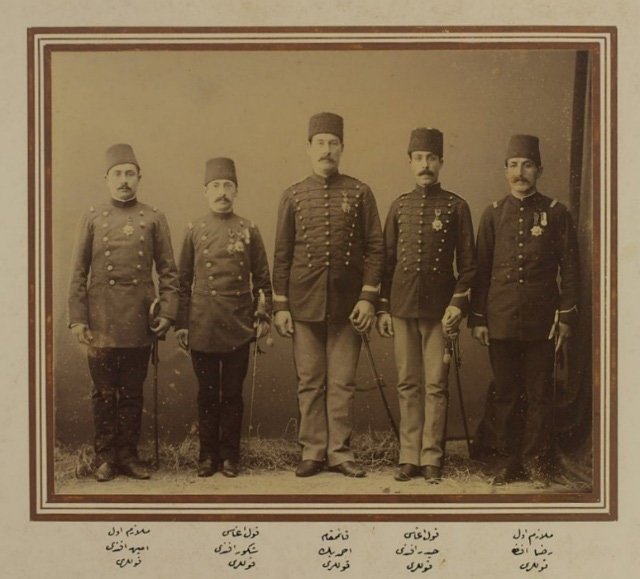
In the early twentieth century, director Mehmed Abdulvehhab Nureddin Bey’s subdistrict council included Salim Efendi, Mümtaz Bey, Cevad Efendi and Hacı Yanko Efendi. Hacı Yanko’s membership illustrates Greek Orthodox visibility in local administration.
Post, Telegraph and Railway
Lefke was on postal routes in 1882–1885 and had a post office and telegraph service in 1908. It stood at kilometre 196 on the Anatolian railway, with train services beginning in 1892.
1914: Lefke Becomes Osmaneli
After identically named settlements caused confusion in communications, the Ertuğrul administration requested a change honouring Osman Gazi. “Osmaneli” was officially adopted on 8 April 1914.
The Great Lefke Fire of 1875
How the Fire Began
Accounts state that on 11 July 1875, fire spread to mulberry leaves while accumulated poppy heads were burned at the house of Kara Timur’s son in Sığırlık neighbourhood. Strong winds, poppy heads stored in houses and leaves used for silkworms helped it spread rapidly.
The Town’s Size and the Destruction
Pre-fire Lefke is described as a town of 580 households. Contemporary Basiret reports state that 330 houses and the entire market burned. The article and its appended original letter disagree on shop numbers, so this site uses “the entire market.”
Public Buildings
The government building and telegraph office were damaged, although official registers and papers were reportedly saved. The rüştiye school was also affected, forcing classes into temporary premises.
What Does the Fire Reveal about Everyday Life in Lefke?
Opium and Silk Side by Side
The 1875 account identifies opium and silk as Lefke’s principal products. Poppy heads and mulberry leaves inside homes show the close integration of farming and domestic production.
Rüştiye and Temporary Classroom
After the fire, a madrasa classroom became a temporary secondary school. Records mentioning more than sixty pupils help indicate the scale of education in the town.
Tents, Neighbours and Aid
Requests for tents from nearby settlements, families sheltering in unburned houses and neighbouring villages, and press appeals for aid show the broad solidarity network created by the disaster.
Rebuilding Lefke
Reconstruction and Architectural Change
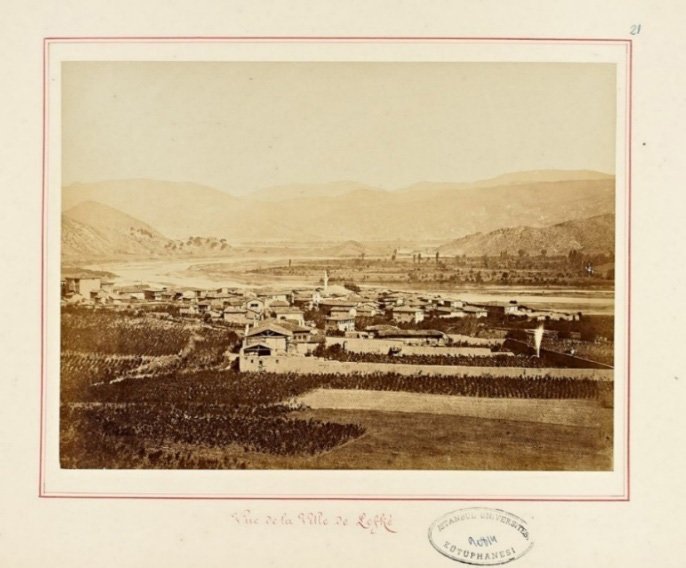
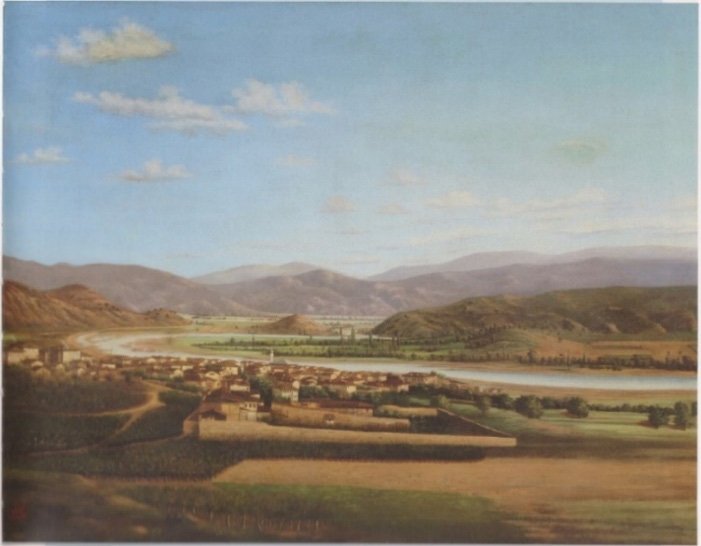
Temporary tax exemptions were granted for timber sent to rebuild Lefke. Late nineteenth-century photographs and Ahmed Şekür Efendi’s landscape painting help reveal the post-fire urban fabric.
A later narrative says the town was rebuilt on a grid with a Hungarian engineer’s help; the study itself explicitly notes that this claim remains unverified.
Railway and Economic Revival
Headteacher Talat Bey writes that the fire’s effects lasted about ten to fifteen years and that the station’s opening on 28 December 1890 revived Lefke. Fire and railway thus form two connected turning points in the town’s late Ottoman history.
Visual Documents of the 1875 Fire
The Fire in Cultural Memory
The “Lefke” Folk Song
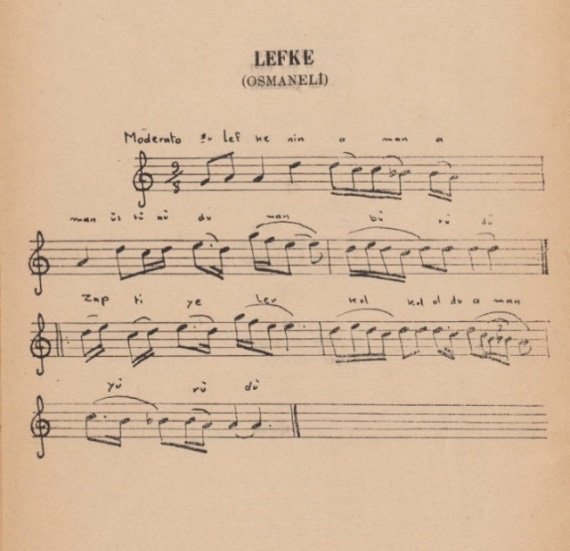
The fire continued to live in local oral culture as well as archival records. The song recorded as “Lefke” in the 1935 book Bilecik Halk Türküleri [Folk Songs of Bilecik] is a record of shared memory recalling the town’s burning and life in tents afterwards.
Photography and Painting
The photograph “Vue de la ville de Lefké” and Ahmed Şekür Efendi’s Lefke landscape are among the earliest visual witnesses to the rebuilt town. The photographer is unknown; a connection with the 1886 delegation remains a scholarly possibility.
Photography, Railway and Modernisation
A New Transport System
The railway accelerated connections with Istanbul and central Anatolia, adding a new dimension to the late nineteenth-century economy of silk, agricultural produce and passenger movement.
The same years coincided with Aya Yorgi’s reconstruction and a new phase of building in the town.
Lefke through New Research
Early Ottoman Period: Fortresses and Passes
Arıkan and Çetin’s 2025 research examines the 1304 Sakarya campaign and possible locations of Lefke Castle. Campaign assessment and location debate.
Nineteenth Century: Family, Trade and Marriage
Doğan’s Roza and Âsım study allows a comparative reading of family connections between Lefke and Istanbul and the legal proceedings of 1894. The case, conflicting statements and archival leads.
Contribute to the Research
If you have photographs, documents, gravestone records or family accounts relating to Lefke, please share them with us.
✉ Contact Form