
Historical Context
Patron and Dating
The official Culture Portal connects the building with Rüstem Pasha, Suleiman the Magnificent’s son-in-law and vizier, and dates it to the sixteenth century. The cultural inventory gives 1516 , while some secondary publications give different dates. The draft therefore uses a sixteenth-century framework rather than a definite construction year.
The Architect Question
The Culture Portal names Mimar Sinan’s assistant Yüzgeç Mehmet Paşa as architect. Some inventory records more cautiously suggest a master from Sinan’s circle. This difference is retained in the source note.
Architecture and Materials
Lefke Stone
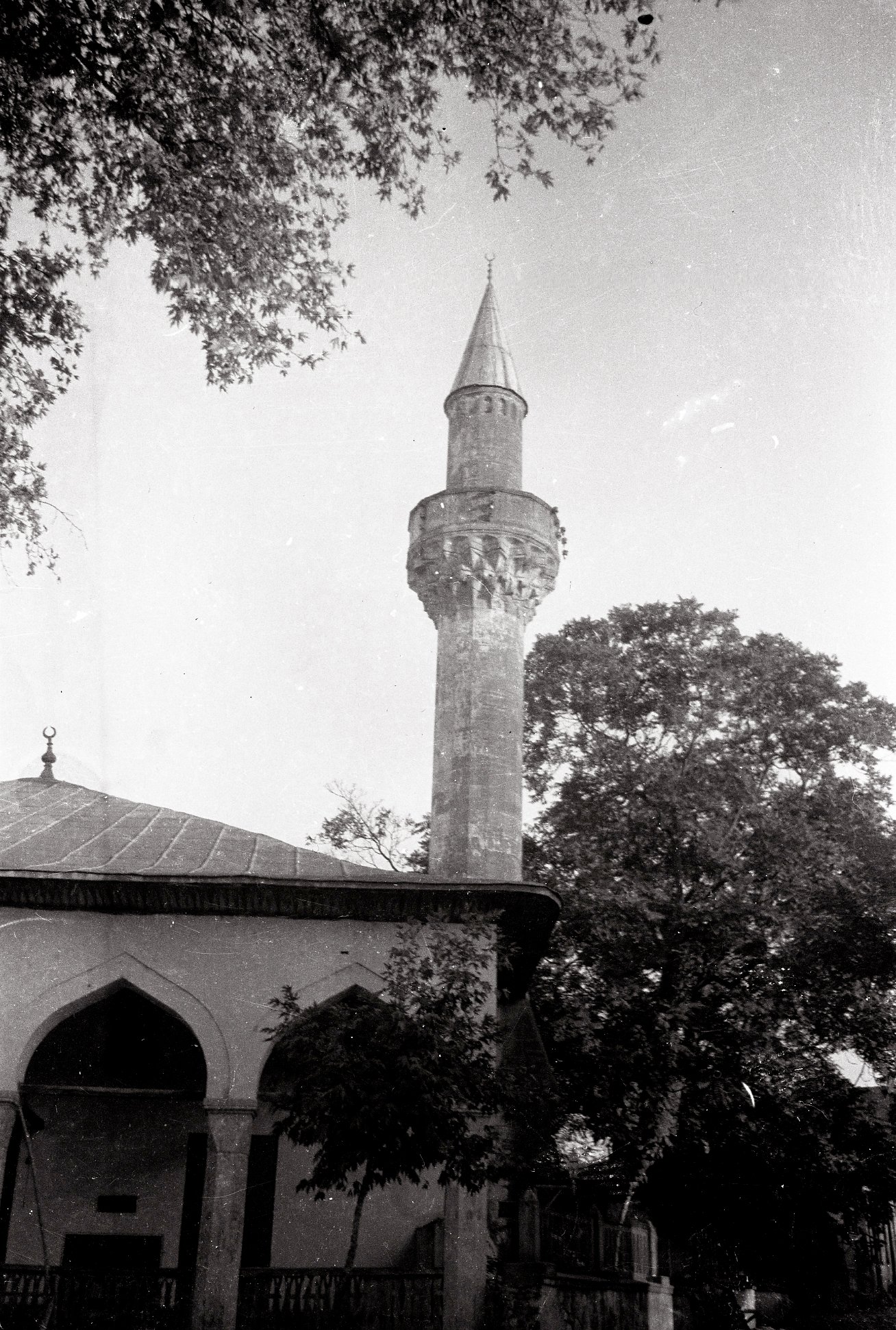
The building uses local Lefke stone, an important element of the architectural identity linking Osmaneli’s domestic and religious buildings.
Nearly Square Rectangular Plan
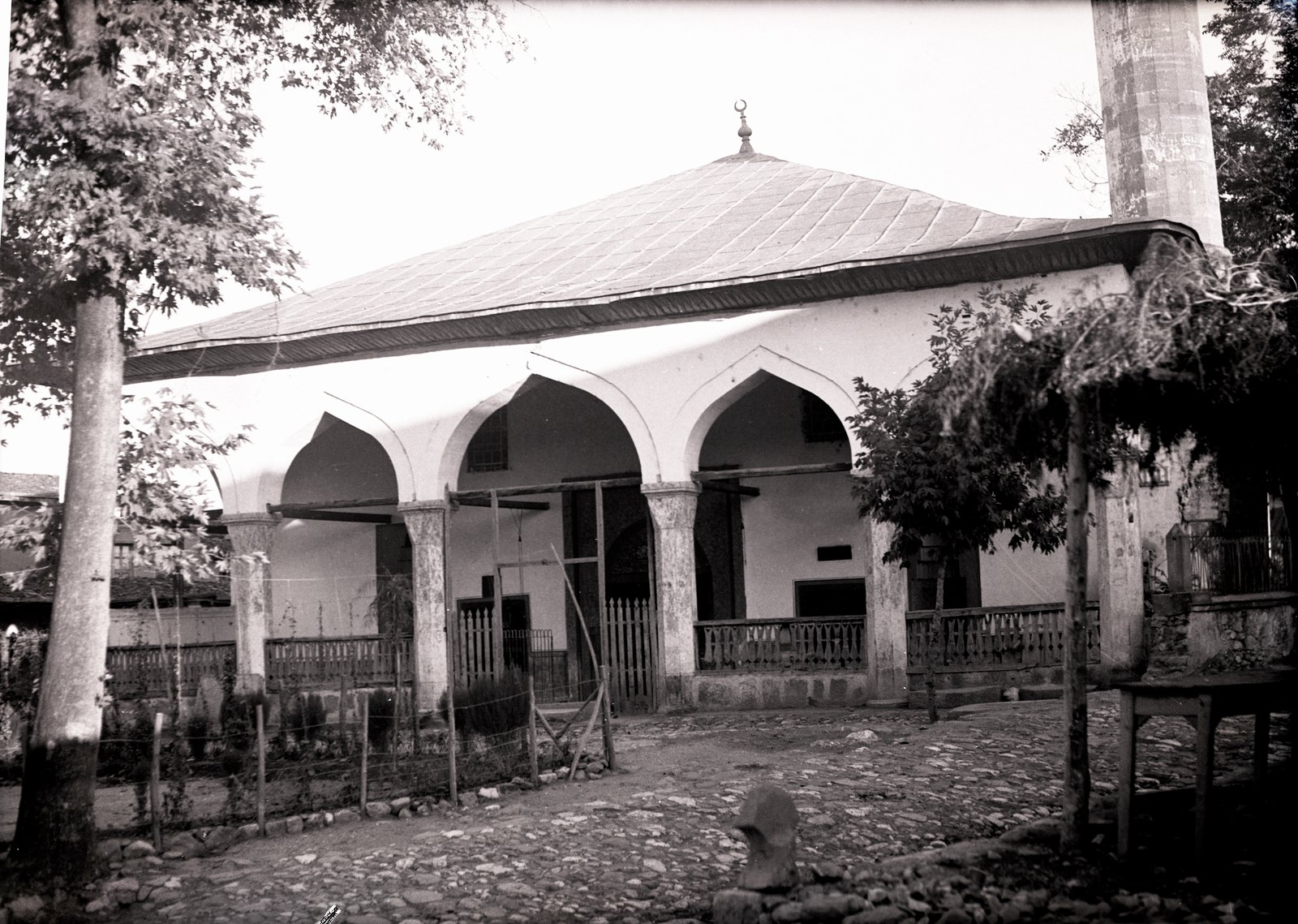
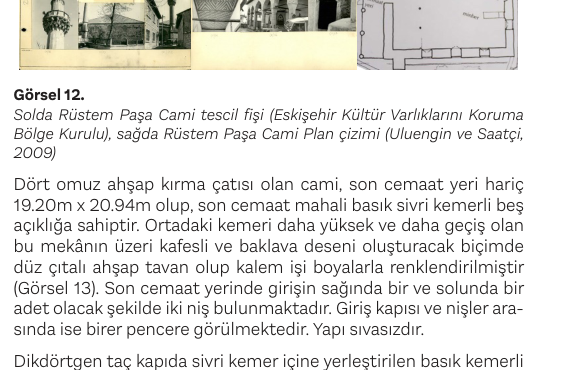
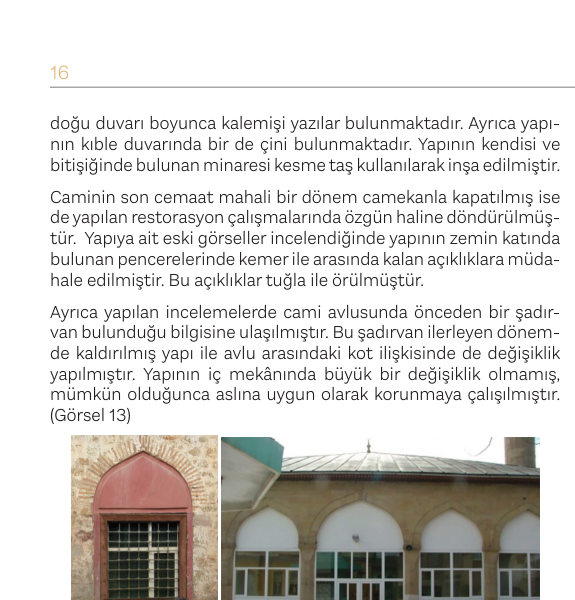
The building has a near-square rectangular plan, with an arcaded entrance portico to the north, stone minaret to the northwest and restrained façades.
Calligraphy and Woodwork
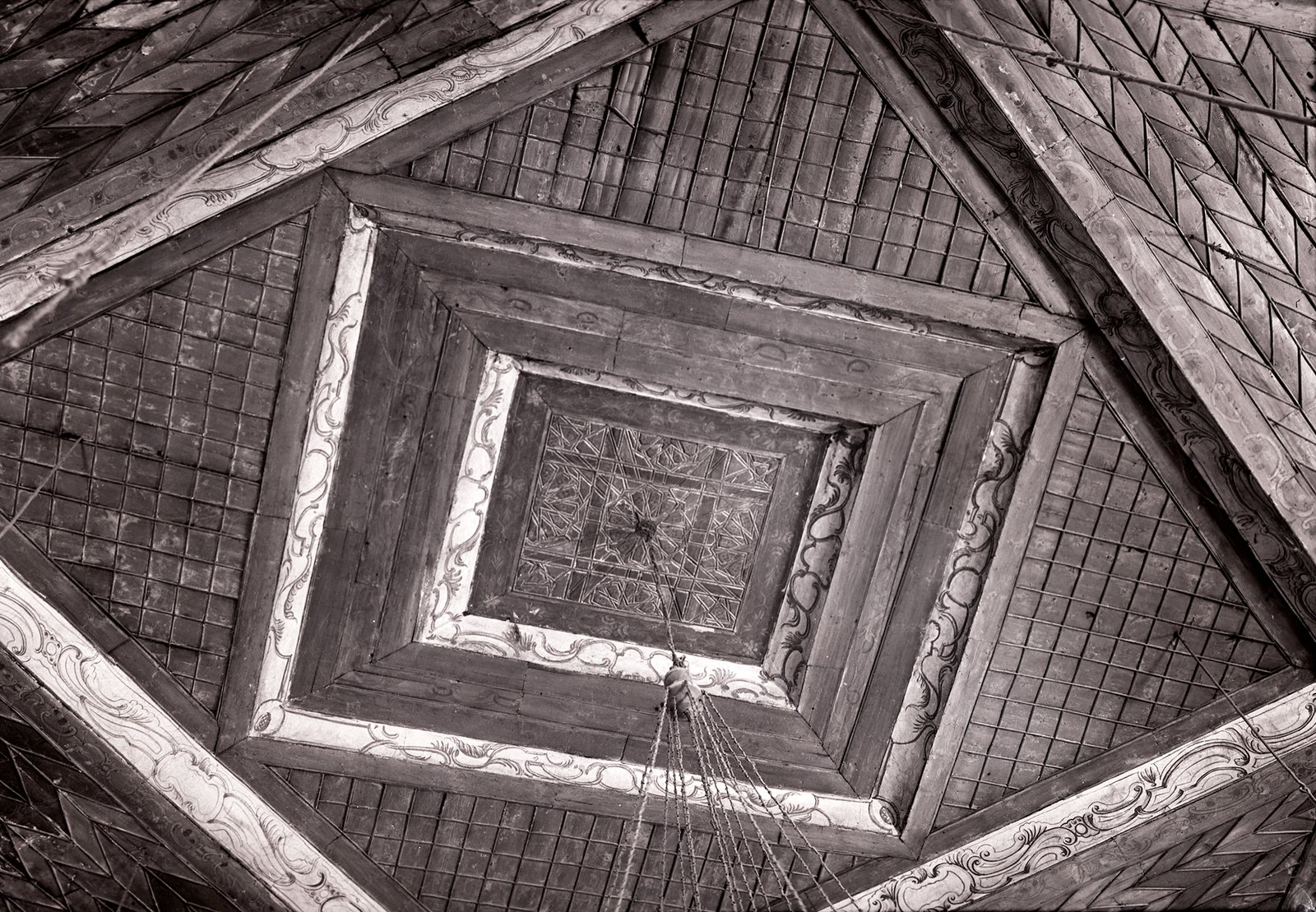
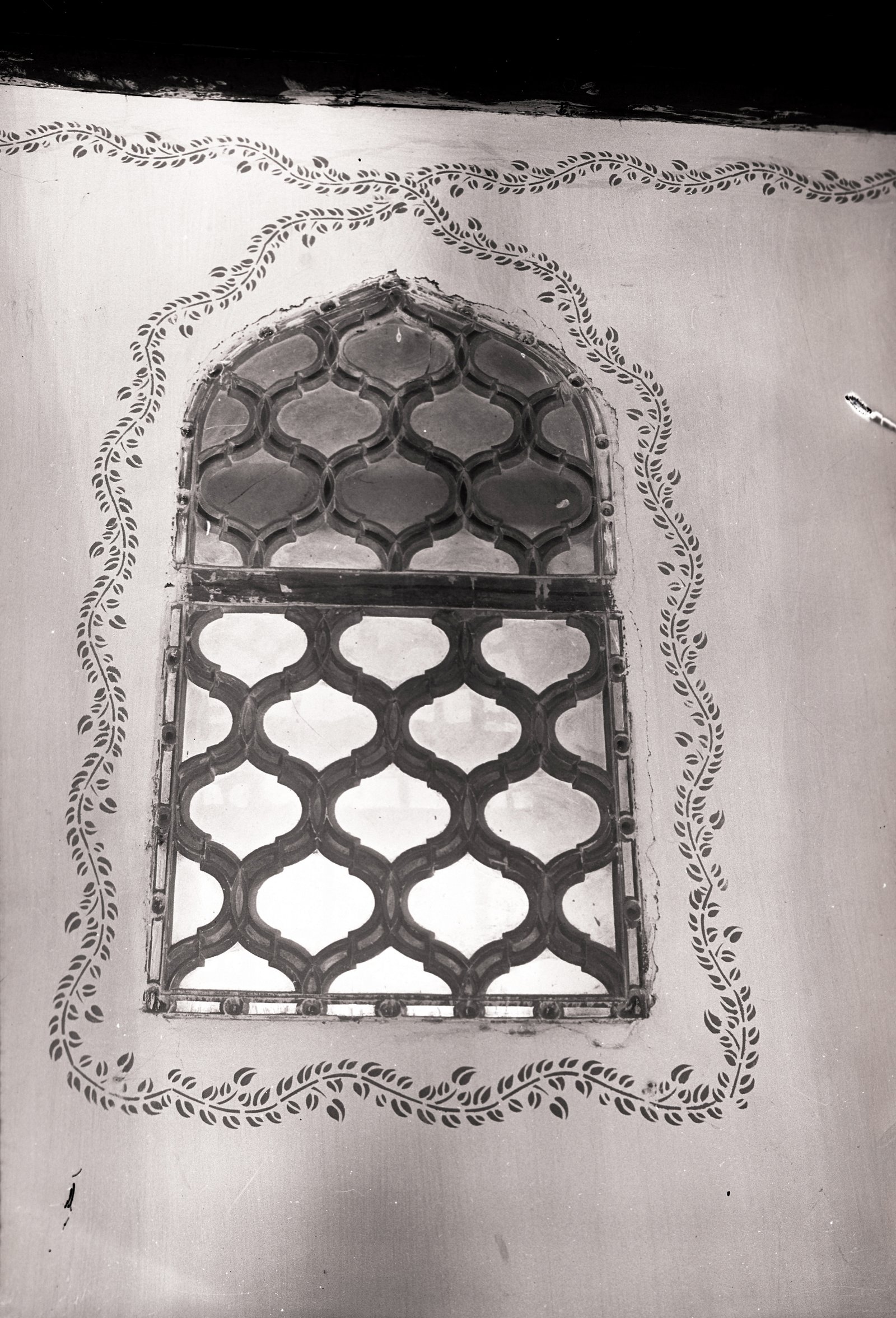
Calligraphy is prominent inside. The Culture Portal records the sura Al-Fath on the upper wall band and inscriptions reading “Vav,” “Ali,” “Alhamdulillah,” “Muhammad” and “Hû.” Historical photographs also document rich timber-ceiling and window details.
Shared Urban Memory in the Market
The mosque’s market location illustrates the integration of religious buildings with everyday economic life. Aya Yorgi Church, Greek Orthodox neighbourhoods, inns, market, bridge and Muslim neighbourhoods should be considered together within the same town.
Historical Photographs
Some source maps, charts and plans retain Turkish labels; the captions are in English. Label key: harita = map; köy = village; merkez = town centre; yol = road; nehir = river; nüfus = population; göç = migration; yıl = year; kadın = female; erkek = male; eski = historical; güncel = present-day; compass K/D/G/B = N/E/S/W.
Source Notes
Plans and Comparisons from the 2024 Architectural Study
Contribute to the Research
If you have photographs, documents or family accounts relating to Rüstem Pasha Mosque or Lefke’s old market, please share them.
✉ Contact Form